Practise the moments that matter before they happen.

Simulation and AI for hospitals, health services and universities. Built by a critical care nurse for clinicians who are done with tick-box training.

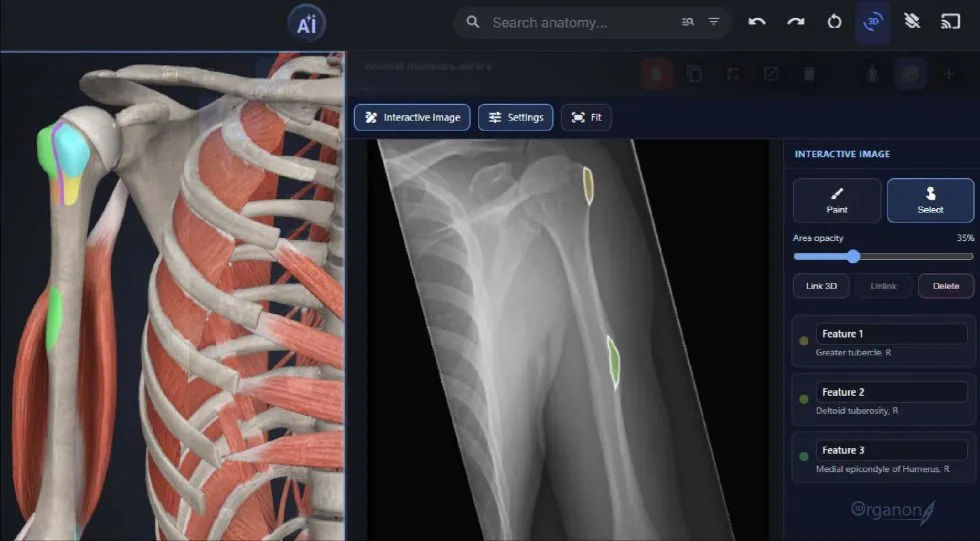
3D Organon running in a web browser: anatomy, imaging and histology in one place.

Working with

  • Queensland Health
  • Australian Catholic University
  • Cheju Halla University
  • UNAM
  • The Ohio State University

A clinical simulation in one minute.

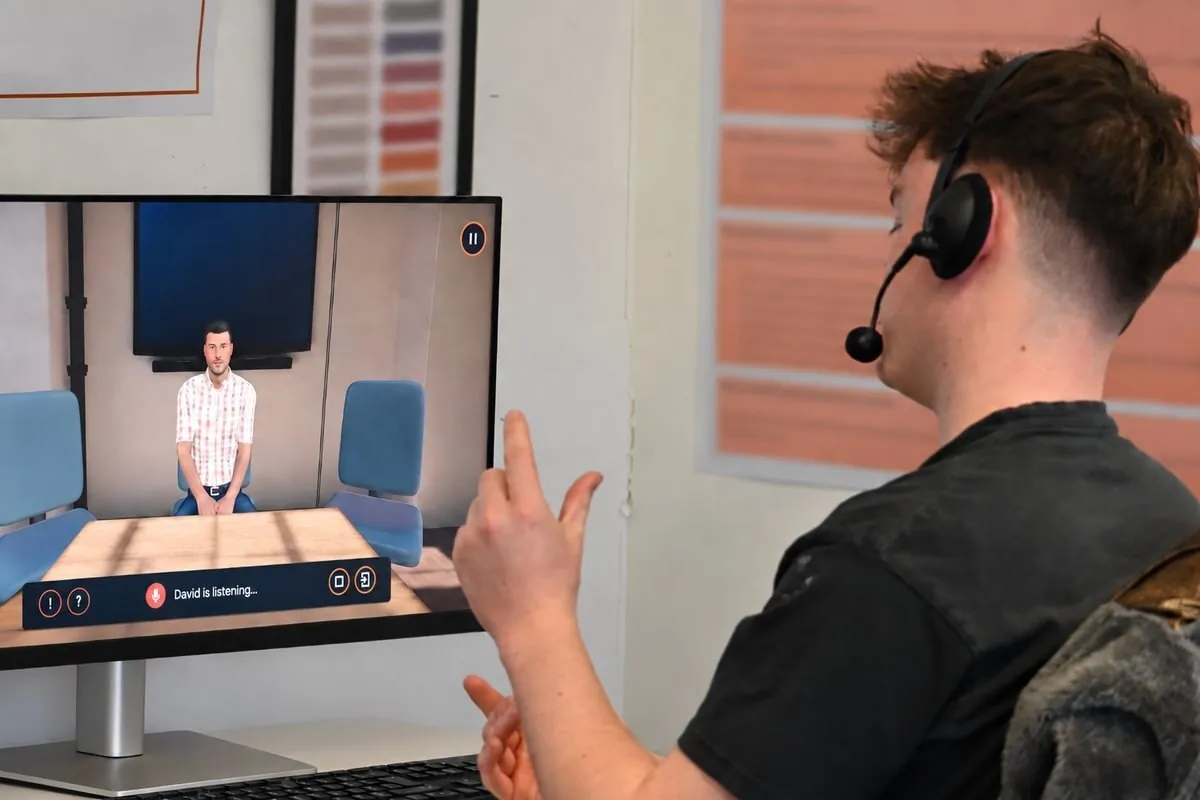
VRpatients, one of the platforms we deliver: learners assess and treat a virtual patient, on a PC or in a headset.

VRpatients 2026Product overviewPlay · 1 min: VRpatients 2026 one-minute overview

What it looks like in the room.

One scenario. Any device.

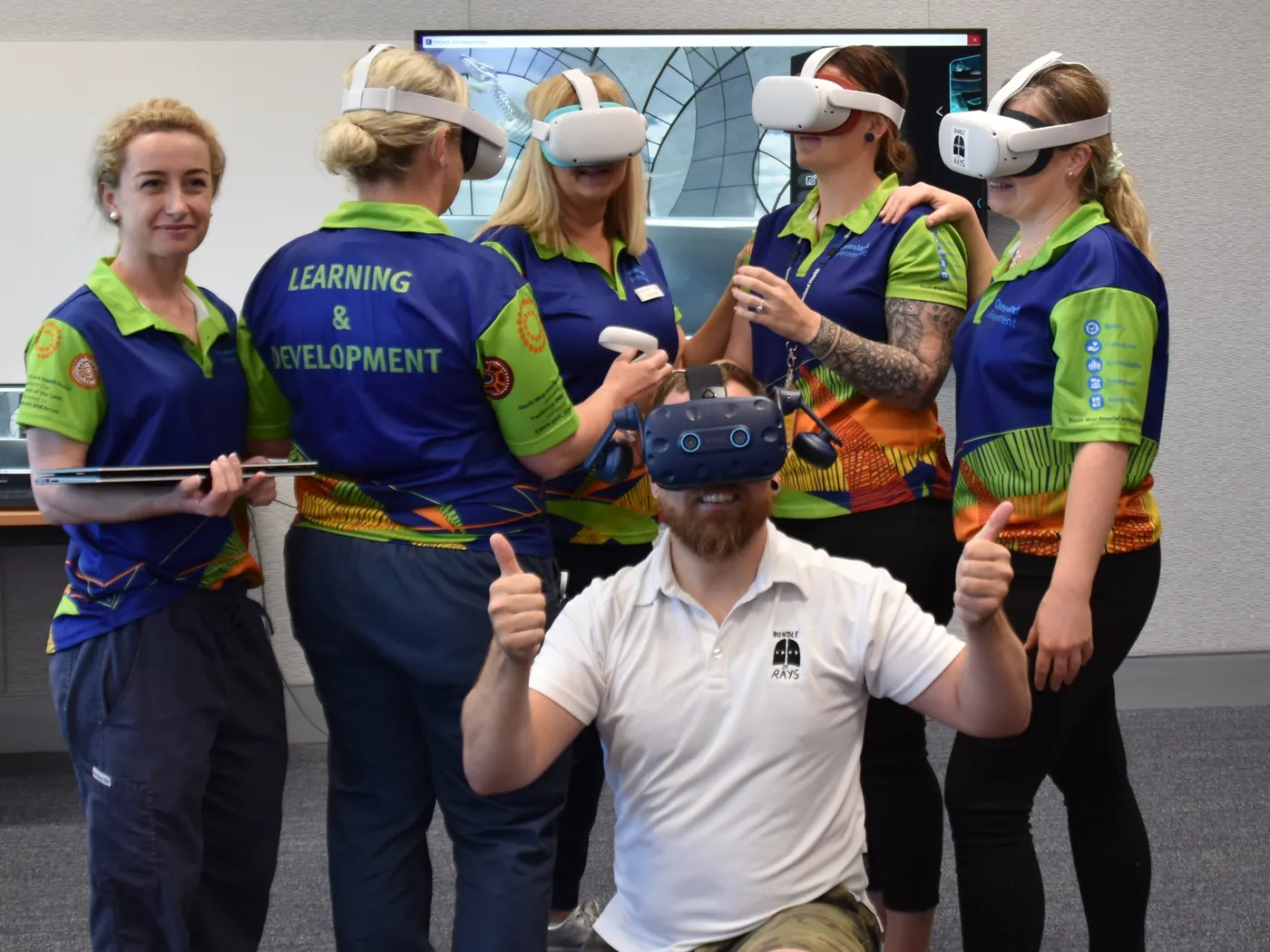
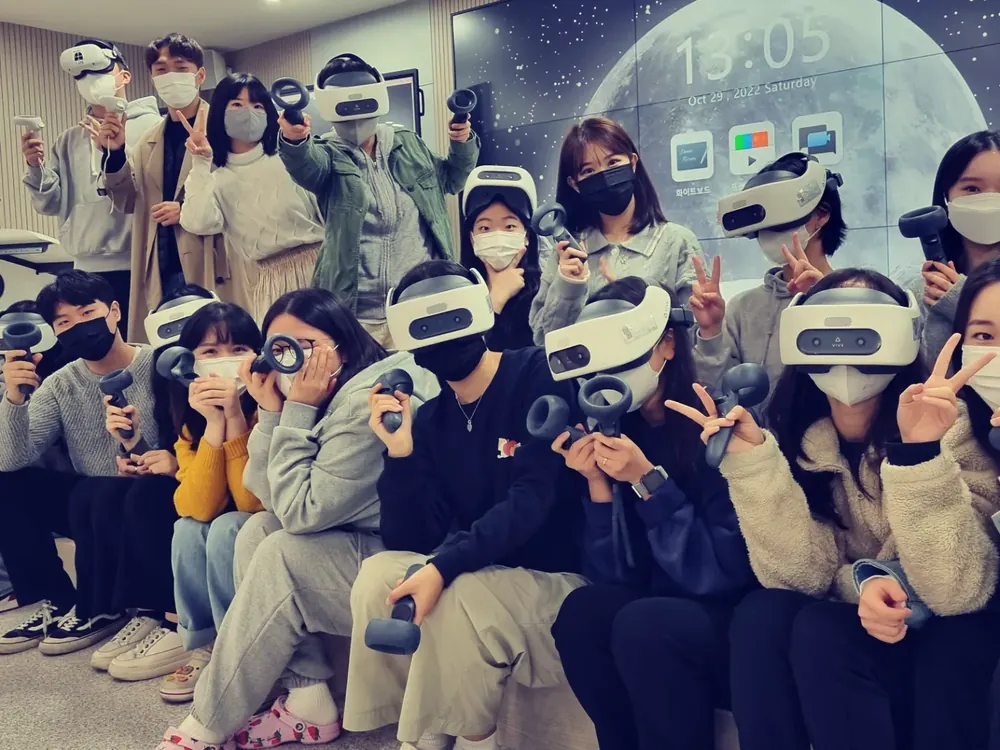
You don't need fifty headsets to start. Most of what we deliver runs in a web browser on the PCs you already have, and steps up to a headset through WebXR when you're ready.

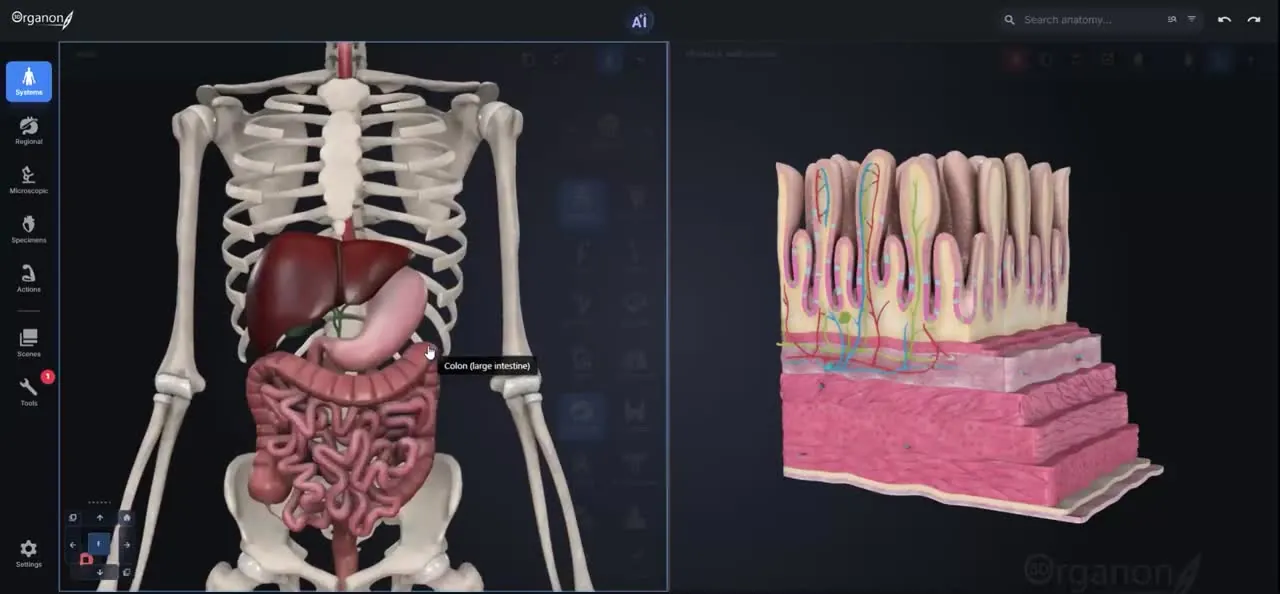
3D Organon in a web browser: the digestive system in a full skeleton beside a cross-section of the small intestine wall
  • PC and browser
  • Tablet
  • XR headset

Try a minute of it.

Emergency waiting room, four hours in. Mark's mother is 82 and still on a trolley in the corridor. You're at the triage desk. What do you say?

Agitated

A taste, in text. The real simulations are spoken out loud to an AI-driven virtual human, in a realistic setting, with a full debrief.

Switch on JavaScript to try the scenario.

Hospitals and health services

Prepare staff for the incidents that hurt them, and show the change in numbers.

  • Occupational violence and Code Black readiness
  • Open disclosure and difficult conversations
  • Recognising and escalating the deteriorating patient
  • Start with one unit, then scale across sites
Plan a pilot

Universities and colleges

Give every student more practice than placement can, and assess it properly.

  • Clinical reasoning cases students repeat until it sticks
  • Anatomy linked to real imaging, in the browser or in XR
  • Drug calculations and exam practice with Examverse
  • An AI tutor between classes
Book a faculty demo

Simulation for the hard parts of care

Contextual environments where staff and students rehearse the escalating patient, the difficult conversation, the deteriorating obs and the calculation that can't be wrong.

  • Occupational violence

    De-escalation you can rehearse. Agitated patients and distressed families in a realistic emergency setting, run as often as staff need, with a structured debrief after every attempt.

    • Bodyswaps
    • Contextual XR environments
  • Communication

    Breaking bad news, open disclosure, clinical handover. Learners speak out loud to an AI-driven virtual human and get feedback on what they said and how they said it.

    93%of educators say it makes soft-skills practice accessible to more students.

    Source: Bodyswaps educator survey

    • Bodyswaps
  • Clinical skills and reasoning

    Assess, prioritise, escalate. Learners work through deteriorating patients case by case, and every decision is captured so educators can see where reasoning breaks down.

    • VRpatients
  • Drug calculations and assessment

    For undergraduate nurses: build the foundations, then test them properly. 3D Organon links anatomy to real imaging, and Examverse turns assessment into something students practise for rather than cram for.

    • 3D Organon
    • Examverse

Start small. Scale what works.

Begin with one unit or one student cohort. You see the before and after, then decide what comes next.

  1. Baseline

    Every participant runs a scenario before training starts, so you begin with each person’s measured skill level.

  2. Practise

    Short sessions that fit around rosters and timetables: roleplays, debriefs, and repeat attempts on the scenarios that went badly.

  3. Re-measure

    The same scenario again at the end. You see the change for each person and for the cohort.

  4. Scale

    Start with one cohort. If the results hold, extend it across units and sites, and write it up with our university research partners.

Agentic AI platform and LMS

One place to set the learning, run the simulation and see who is ready. AI agents draft scenarios and answer learners’ questions between sessions.

  1. Step 1

    Author

    Describe the clinical situation. The agent drafts the scenario, roles and learning outcomes for your educators to refine.

  2. Step 2

    Run

    Learners practise in the browser or on a headset, alone or as a group, as often as they need.

  3. Step 3

    Debrief

    Feedback after every attempt, and an AI tutor learners can question between sessions.

  4. Step 4

    Report

    Completion is not competence. See performance over time, by learner and by cohort.

We're building the platform with nursing educators. On a call we'll show you what's live today and what's coming.

See the platform

Built by a nurse who has been there.

Bundle of Rays was founded by Brad Chesham, a registered nurse with more than twenty years in ICU and emergency care across Australia, the UK and overseas deployments.

We started it because too much clinical education measures attendance, not readiness. Everything we deliver is designed around the moments clinicians find hard.

Clinical
RN, MSc Critical Care
Research
PhD candidate, Australian Catholic University
Fellowship
Innovation Fellow, The Ohio State University
Recognition
INACSL Hayden Vanguard Lectureship

Questions we hear from educators and procurement

Do we need VR headsets?

No. Most of what we deliver runs in a web browser on the PCs you already have. Headsets are optional, and the same content steps up to XR when you want it.

Can we start small?

Yes, and we recommend it. A pilot with one unit or one student cohort, measured against a baseline, tells you whether it works in your setting before you commit more.

Who builds the scenarios?

We build them with your educators, around the incidents and conversations your staff or students actually face. Our founder is a critical care nurse, so the clinical detail is right from the start.

Do you work outside Australia?

Yes. We currently work with partners in India, South Korea and Mexico as well as Australia.

Is the AI platform available now?

We’re building it with nursing educators. Ask us on a call what’s live today and what’s coming.

Can I subscribe as an individual?

Yes. Nurses, paramedics and healthcare students can join the XR CPD Program on their own through our store. It runs on a headset, PC or tablet, and you don't need an employer or university to sign up.

Here on your own?

Nurses, paramedics and healthcare students can join our XR CPD Program as individuals: clinical simulations, 3D anatomy and AI roleplays, on a headset, PC or tablet.

See the XR CPD Program

See it with your team.

A 30-minute walkthrough of the scenarios that fit your staff or students.

  1. We reply within two business days to find a time.
  2. We listen first: your incidents, cohorts and what's been tried.
  3. We run the scenarios that fit, live.
Pain managementVRpatients · Release 11 showcasePlay: Pain management, VRpatients Release 11
Before the call: a pain management case in VRpatients.

Prefer email? brad@bundleofrays.com

Type of organisation
Interested in choose any